Your people commute sustainably. You should be able to prove it.
Start with the vehicle, not the employee. Hardware-verified data — not self-reported estimates. Automated trip logging for cycling, e-bikes, scooters, and other light electric vehicles — hardware-verified commute records for ESG reporting and reimbursement programs. No app. No survey. No employee input required.
Global technology campus, Mountain View.
The same campus running NOA's fleet program adopted the ATL to automate commute tracking and employee reimbursements.
Before
- Commute data collected via manual employee self-reporting
- Inconsistent participation — incomplete records
- Reimbursements processed manually against unverified claims
- No structured data for Scope 3 ESG disclosure
After
- Every sustainable commute logged automatically by ATL
- Hardware-verified trip records — complete and continuous
- Commuter reimbursements calculated from verified data
- Scope 3 Category 7 data structured for ESG reporting
Global technology company - Mountain View, CA
Commute data, organised for reporting.
Web app, compatible with all devices and browsers.
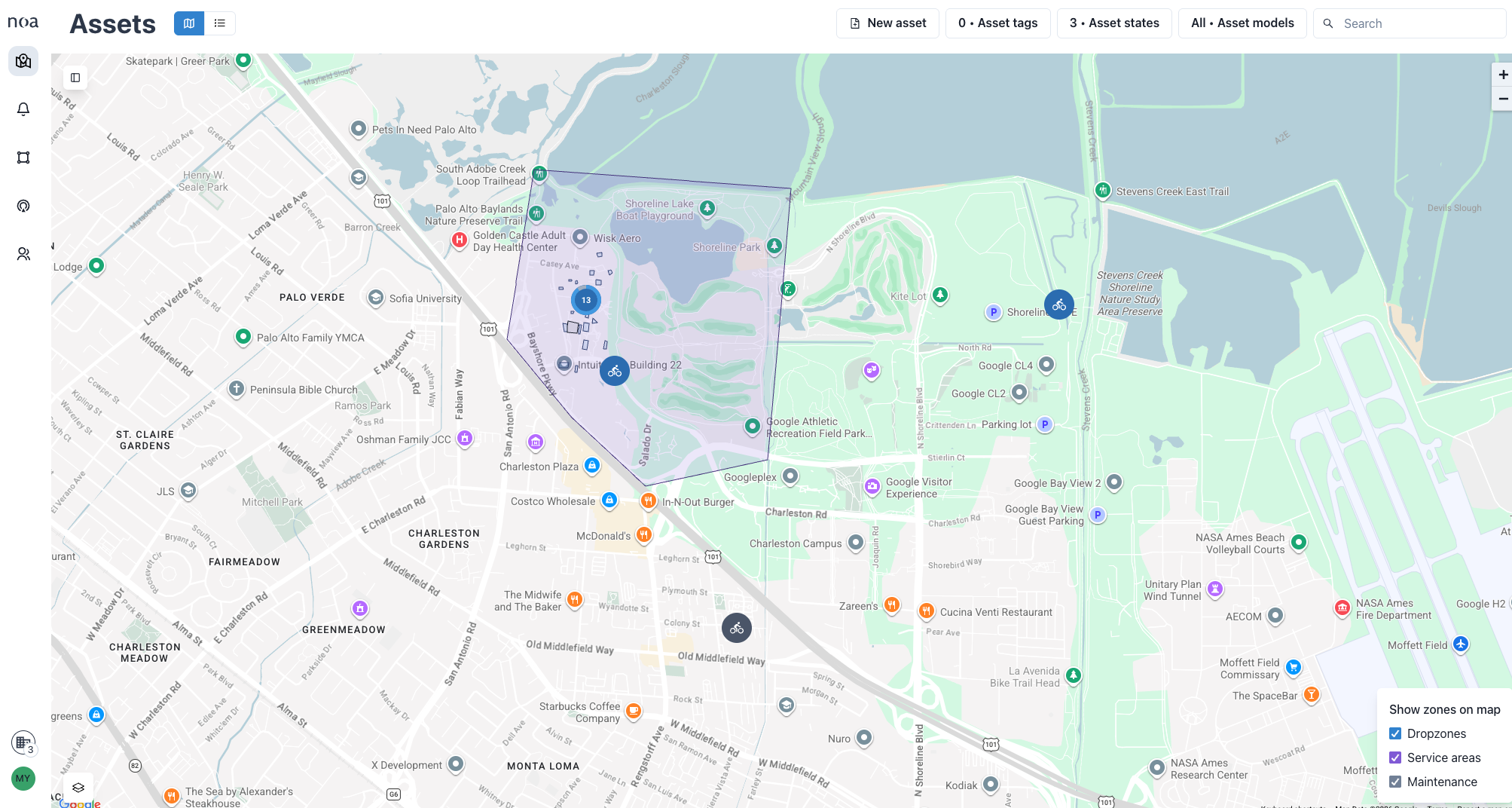
Commute logging
Assets tracked moving in and out of defined commute areas. Every commute logged automatically.
Commute history
Full commute events history and summary — by employee, date, distance, and mode.
Fleet management
Asset creation, inventory info, device health, and fleet intelligence.
Commute areas
Define commute zones with simple drawing tools.
ESG export
Data structured for direct export to CSRD reporting platforms via API.
Access management
User roles and data access controls.
How It Works
What problem does NOA commute intelligence solve?
Organisations across the EU and US face increasing pressure to measure and report sustainable commuting — from regulators, investors, and internal sustainability targets. Cycling, e-bikes, and scooters are consistently the hardest commute modes to quantify with verified data. NOA closes that gap automatically.
How is NOA different from app-based commute solutions?
Every other commute logging solution starts with the employee — an app they open, a survey they complete. The data is only as good as their participation. NOA starts with the vehicle. A device records every commute automatically. No employee input required. Hardware-verified data, not a self-reported estimate.
What commute modes does NOA cover?
Cycling, e-bikes, cargo bikes, scooters, and other light electric vehicles — any sustainable commute mode where a NOA ATL device can be paired with the employee's vehicle.
What about employee privacy?
NOA captures commute data only - everything about the commute without location data, protecting your employees' privacy. No personally identifiable information is associated with individual trips in the exported dataset. Privacy-by-design.
See how ATL fits into your commuter benefits strategy and CO2/ESG reporting requirements.
Which organisations need this now?
Companies with 500+ employees
Reporting now for FY2024. Scope 3 commuting is mandatory.
If sustainable commutes are in your disclosure, the data needs to be verifiable. Self-reported estimates are increasingly scrutinised in audit processes.
Large EU subsidiaries of US multinationals
Reporting for FY2025 in 2026.
European operations of US technology, financial, and industrial companies are in scope now.
Any organisation with sustainability commitments
Investor ESG requirements, or mobility incentive programs.
Verified commute data demonstrates that investment in sustainable mobility is working.
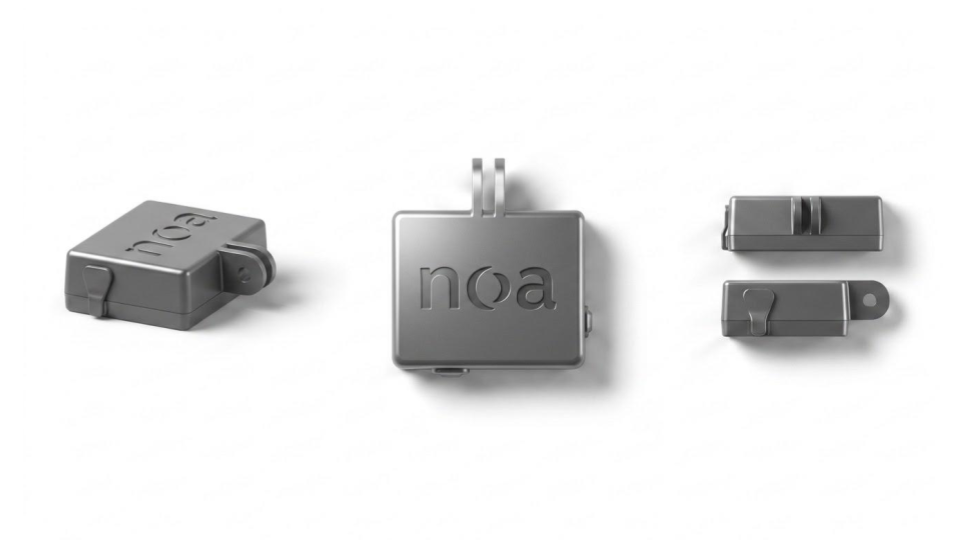
NOA ATL — Automated Trip Logger.
Automatically records every sustainable commute trip — cycling, e-bikes, cargo bikes, scooters, and other light electric vehicles. Hardware-verified trip data, compatible with all major CSRD reporting platforms.
Close the gap before your next reporting cycle.
Tell us about your Scope 3 commuting challenge. We'll show you how the ATL fits into your reporting workflow.